Category: Temáticas

  • Saúde mental – importância do exercício

    Saúde mental – importância do exercício

    Vítor Ilharco
    Personal Trainer

    A saúde mental é muito mais do que a ausência de doença. Trata-se de um estado de bem-estar em que o indivíduo reconhece as suas capacidades, lida com o stress da vida quotidiana, trabalha de forma produtiva e contribui ativamente para a sua comunidade. Não é um estado fixo, mas sim um continuum, que varia ao longo da vida e de pessoa para pessoa.

    Ao longo do ciclo de vida, a saúde mental é influenciada por múltiplos determinantes individuais, sociais e estruturais. Fatores biológicos e psicológicos — como a genética, as competências emocionais ou o consumo de substâncias — interagem com contextos sociais, económicos e ambientais, podendo aumentar a probabilidade do individuo ter problemas de saúde mental. A exposição prolongada à pobreza, violência, desigualdade ou instabilidade aumentam também esse risco. Tudo isto pode surgir em qualquer fase da vida, mas são particularmente marcantes em períodos sensíveis do desenvolvimento, como a infância.

    Em Portugal, estima-se que cerca de 22% da população viva com algum problema de saúde mental, o que corresponde a mais de 2 milhões de pessoas. Depressão, perturbações de ansiedade, doença bipolar, esquizofrenia, perturbações do comportamento alimentar e demência são exemplos frequentes, com impacto significativo na qualidade de vida individual e coletiva.

    É neste contexto que a atividade física assume um papel central e cada vez mais bem documentado. A evidência científica mostra que níveis mais elevados de atividade física estão associados a melhor função cognitiva, incluindo memória, velocidade de processamento de informação e capacidade de execução, bem como a um menor risco de declínio cognitivo e demência. Estes benefícios são observados em diferentes populações e com diferentes modalidades, desde a caminhada ao treino de força, passando por atividades desportivas e yoga.

    A relação entre atividade física e ansiedade é particularmente robusta. A prática regular, sobretudo de intensidade moderada, está associada a perfis de ansiedade mais baixos em adultos e idosos. O mesmo se verifica para o humor depressivo e a depressão: pessoas fisicamente ativas apresentam menor risco de desenvolver sintomas depressivos e intervenções baseadas em exercício demonstram reduzir a gravidade dos sintomas, mesmo em quadros clínicos mais profundos.

    Também o sono beneficia da atividade física. A prática regular melhora a qualidade do sono e, em indivíduos com insónia ou apneia do sono, níveis mais elevados de atividade física estão associados a melhorias clinicamente relevantes.

    Assim, a atividade física não deve ser vista apenas como uma ferramenta para a saúde física, mas como um instrumento fundamental de promoção da saúde mental. Investir em contextos que facilitem o movimento, reduzir barreiras ao acesso e integrar o exercício nas estratégias de saúde pública é investir numa sociedade mais saudável, funcional e resiliente.

  • Who You Gonna Call?

    Who You Gonna Call?

    Terrie Clifford

    A German man in Peniche sees seagulls pecking at a dead pigeon. Could it be bird flu? He wonders who to call. A woman from the US in Lourinhã feels chest pain; her heart is racing. With phone calls to the same central number, the bird is safely removed and the woman is whisked to the hospital. Both problems were resolved by highly trained emergency responders unique to their communities. Meet the Bombeiros.

    Across Portugal, the Bombeiros are the first responders to vehicle collisions, urgent medical issues, and residential and commercial fires. They rescue residents during storms and floods, transport the sick, and spend hot summers battling wildfires.

    95% of the 42,000 firefighters in Portugal are volunteers. Lawyers, shopkeepers, construction workers—even mothers: several times a month they risk their lives for work without pay, sometimes depending on donated equipment. Bombeiros also undergo hundreds of hours of training each year. Named after the bomba (pump), their history begins in a 1395 charter from King Joao I. Our local squads get money from the EU, state funds, municipal budgets, and generous individuals. The departments are as unique as the communities they serve. Here are profiles of leadership and capabilities in Caldas da Rainha, Lourinhã and Peniche.

    The Caldas Bombeiros are strongly anchored in their community. The department runs a public pool and gym. Comandante Nelson Cruz leads the team with an easygoing manner honed by 31 years of experience. “This is something I have wanted to do since childhood,” he said. His career has been dangerous and demanding. But he got to help deliver eleven babies in ambulances. One grateful couple made him their child’s godfather. Cruz heads a staff of 121, 32 are female, and the majority are volunteers.

    His department traveled to fight 65 wildfires outside of Caldas this year. “The wildfires are getting worse, because of climate change” he noted. Although the Caldas department receives funding from national, state and local sources, they rely on community donations to serve the department’s 255 square-kilometer coverage area. This year’s community door-knocking campaign raised 140,000 euros.

    The Associação Humanitária dos Bombeiros Voluntarios da Lourinhã is housed in an enviable complex with a building for structural fire training, a farm to feed the crew, and the only certified heliport operated by a fire department in Portugal. Cidália Fonseca, Lourinhã’s second-in-command, says the department is proud the heliport has hosted helicopter rescue operations, the Portuguese National Guard helicopter and numerous wildfire missions, but they are most proud that they built the heliport themselves. Fonseca’s 24-year career in firefighting fuels her priorities for her team: “Security, Safety, Knowledge.” Cutting-edge training helped them rescue an injured worker from a wind turbine.

    The Lourinhã squad covers an area of 148 sq.km with a staff of 70. 18 are women. Lourinhã sends crews to fight wildfires as far as Madeira and even Ukraine. Providing equipment, fuel and continuous training is costly, Fonseca said. The department raised 50,000€ this year through their events. Next goal: replacing their 20-year-old helmets at a price of 475€ each.

    The Corpo de Bombeiros de Peniche is unique in several aspects. They have the largest percentage of female firefighters, 39 of 94, and their staff includes the youngest woman in a leadership position. Inês Teixeira was 16 when she joined 16 years ago; now she is a member of the command staff. She said the volunteer work combines two of her early interests: the need to help people and a taste for adrenaline.

    Their Peniche HQ faces the sea, a constant reminder that the coast is a huge part of their 77.5 sq.km coverage area. They also serve the offshore Berlengas islands, transporting the injured back to the mainland. They are trained in sea rescue, underwater search, and technical rope missions in the cliffs—on top of the mainstays of structural firefighting and EMT. The department is funded by the community, the city of Peniche and national sources. Peniche’s many beaches result in the town’s population tripling from June to October, stretching the department thin. Still, Teixeira said they manage to send units into the summer wildfires. She wants people to remember Bombeiros give up time with their families to serve others even on holidays.

    Many squads are active on social media (FB,IG). Follow for news about upcoming fundraisers. Donations are always welcome.

    How to Report Your Emergency
    Dial 112, the unified dispatch for police, fire, and ambulance. English and more are spoken. Calls route to regional call centers. Be ready to tell the operator the nature of your emergency, exact address, nearby landmarks, and the phone number you are calling from. They will activate the appropriate local responders. Speak slowly, answer all questions, and stay on the line until the operator tells you to hang up.

  • The Resistible Rise of Black Friday

    The Resistible Rise of Black Friday

    Erik Brunar

    When the smell of roasting chestnuts starts filling downtown Caldas da Rainha in October, the bus-stop ads for “Black Friday” in Enligsh stand out like a UFO in Parque D. Carlos. How did this phenomenon, a product of American consumer culture, land here? And do businesses have to rely on this kind of ploy to survive?

    In the decades after World War II, many trends made their way over from the USA to Western Europe because they promised a more casual and inventive lifestyle. These fads bolstered commerce and projected soft power. But Black Friday is just a slightly cringe-inducing side-effect of a purely American holiday, Thanksgiving. Yet it has taken hold here as an exhortation to consumer excess.

    One of the reasons for its adoption may be that by law, retailers are allowed to hold sales on up to 124 days per year. A third of all days could belong to a sales period. That has some merchants scratching their heads for pretexts to use up all those days. Black Friday fits into these plans in the same way it does in the US, as a kick-off for the December shopping season.

    The first common use of the term “Black Friday” for an autumn Friday not referring to a stock market crash (see: crash of 1869) was around 1960 when police officials in Philadelphia described the traffic chaos on the Friday after Thanksgiving with shoppers starting their year-end gift buying and fans converging for the fabled Army-Navy football game. The term caught on. In the 1980s, American retailers managed to rebrand the Friday’s blackness as a reference to a self-serving urban legend: that the crowds on that day finally swung stores from operating at a loss to making a profit for the year.
    Global expansion began in the 2000s. In Portugal it started in the 2010s with multinational retailers Amazon, Fnac, and MediaMarkt. The phenomenon kept growing in space, with new retail chains joining each year, and in time, with Black Week or Black Month trialed by bolder merchants–or those who wanted the crowds, but more spread out. A longer period also accommodates more thoughtful shopping. However, this particular trend shows signs of receding.

    How sure can one be of the deals to be had? By law, an item’s sale price must be lower than its lowest price in the last 30 days, and the labeling must show this base price. Articles first introduced during a sale have to be labeled Promotion and must be discounted from their regular price after the sale.

    On an overcast Thursday in mid October, I walked around downtown Caldas for three hours to interview owners or employees of fifteen stores selling clothes, jewelry, leather goods, household goods, and cosmetics.

    The survey’s results were blunt. Two out of the fifteen were doing something for Black Friday: a gothy teen makeup store and a sneaker store, both part of chains. The other 13 were locally owned. Almost half never even have sales. They manage their inventory carefully and cultivate clients through their curation and their integrity. Some of these businesses have retained customers for over four decades, regulars from the days when Caldas was a commercial magnet that pulled in shoppers from Lisbon and Santarém.

    A couple of people told me about those heady times before the big shopping centers came to Amoreiras, Carnide, and Loures, when Lisboans would swarm Caldas every weekend for that downtown shopping feel, that slightly old-timey, neighborly atmosphere. They visited their preferred stores as they would members of their family. They filled up on fruta at the eponymous Praça. When that traffic dropped off in the 2000s, the city made efforts to help the central business district. A financial crisis and a pandemic later, the area is blossoming again.

    Not 15 minutes away on foot, I stepped into the buzzing second floor of La Vie, Caldas’s big urban shopping mall. I took my questions to the fifteen shops on that level selling clothes, shoes, jewelry, and cosmetics. Seven of the eight shops I managed to survey in my 90 minutes there are having Black Friday events again this year. The most recent convert has only been participating for two years, but many are part of chains that have been doing it for much longer. Only the lingerie store was not taking part. Everybody agreed that the day was always exceptionally busy. Only two places were planning to extend the event to the weekend or to the week.

    Reflected in the stories that the clerks, managers, and owners told that day was a tale of two commercial cultures that stand apart and regard each other as somewhat alien. What about the shoppers? How often do they go between the two worlds?

    For those fed up with the commercialization of life, the artist Ted Dave invented an alternative celebration for the Friday after the last Thursday in November: you can examine the issue of overconsumption on Buy-Nothing Day by organizing a credit-card cutting party or an empty-shopping-cart parade.

  • Vamos Bem! Living Aging & Dying Well – Silver Coast

    Vamos Bem! Living Aging & Dying Well – Silver Coast

    Amélie Sangmo

    Last December, retired US nurse Joy Goldman was a featured speaker on ExpaCity.com. During her interview, Joy explained how, when she moved from the US to Setúbal, she recognized a vacuum of information for foreigners regarding aging and dying in Portugal. With her experience in healthcare and hospice, Joy knew she could help–and has she ever!

    Starting 2023, both with Joy’s help and organically, her community began creating and finding tools that could help someone who was either temporarily dependent or on a journey toward death. Through applications like Meal Train and CaringBridge, they were able to gather circle support to provide meals, transportation, grocery shop, peer counseling, pet care, shared durable medical equipment, and more.

    This experience proved tremendously valuable as it showed how community can facilitate non-medical support–services so vital to recovery and care. A founding team began to create checklists and procedures for completing legal, health-related documents and for helping organize support from friends, family and volunteers. Resource materials were collected and a series of informational workshops began, all of which grew into Vamos Bem!, created for the easy sharing of educational information related to aging and dying well in Portugal.

    The mission of Vamos Bem! is “to support those living in Portugal to age and die well, with dignity and peace of mind,” and “to provide compassionate support, unwavering advocacy, and meaningful engagement to foster a strong community that honours each individual’s health journey.”
    But it’s not just the mission that makes Vamos Bem! special. It’s also their vision and values. The Vamos Bem! vision is “to be a model community that supports its residents with loving care, exceptional resources and timely action so they may age well and die with serenity.”

    Their values encompass 5 key points:
    “Community. We are shaped by the needs of the people in our communities. As we age, face health challenges and deal with loss, we ensure everyone feels valued and cared for through all stages of life.

    “Compassion. Knowing that each of us is a heartbeat away of losing our independence and life as we now know it, we help each other prepare and provide support as needed.

    “Courage. We inspire honest conversations about the dying process so that we may design a good death.

    “Respect. We honour your privacy, your choices and your dignity. We act with deep sensitivity regarding any personal feelings, views or information shared. We listen and learn what is most needed.

    “Action. We are committed to taking quick action that supports the immediate needs of our communities. We are present and accessible. We offer tools, current resources, and people power to help get things done on your behalf.”

    The Expacity webinar spurred residents of the Oeste into action and soon thereafter, the Vamos Bem! Oeste chapter, known as Living, Aging and Dying Well Silver Coast (LAD), was formed.

    The first meeting was held last February. Organized by your author and with the support of friends, we thought we might have 15-20 attendees. Almost 70 people came to learn more about LAD! They heard about wills and inheritance in Portugal from two local attorneys, Ana Ferreira Real and Carlos Tomé, and the necessity of having a two- or three-tiered ER Care Team from yours truly.

    Intrigued? Topics you need to know more about? You’re in luck.
    The next LAD Event is set for 3pm, November 24, at the Caldas da Rainha Library. The topics are two things that everyone can count on: taxes and dying. José Luis Oliveira, Certified Accountant & Hugo Duarte, Technical Accountant of Obinfor Contabilidade Informática e Gestão will offer general information regarding Portugal’s various national and local taxes. LAD member Teri Loendorf will explain how to donate one’s human remains to science, should you choose to do so, and Diogo Nascimento and Francisco Marques of Agência Guerra funeral home will join us to explain how funeral arrangements are typically handled in Portugal.

    Topics we don’t necessarily want to learn about, but ones we all need to know about!
    Future LAD meet-ups will address healthcare, retirement communities, insurance and real-estate issues, and a repeat of ER Care Teams and Wills and Inheritance for any newbies to our area.

    To register for November 24, visit vamosbem.pt, click on the ‘Where We Are,’ select Silver Coast & join our WhatsApp group. A link to the registration form is pinned to the top of the chat box. Registration is limited and requires a €5 cash entrance at the door to cover expenses, though, as before, any surplus funds will be donated to local charities.
    We are Living, Aging and Dying Well on the Silver Coast. Vamos Bem!

  • Election Results: a Call to Action

    By Kelly Hayes-Raitt
    To understand the impact of this month’s local elections on foreign residents, OICV interviewed a former board member of Gazeta das Caldas. Dr. José Luiz de Almeida Silva was himself “an expatriate, immigrant, and refugee” in France during the Salazar dictatorship. Our discussion was via email using a translator app and quotes have been lightly edited.

    OICV: Despite Chega’s powerful turnout in the national election last May, their local gains fell far below expectations. However, they tripled their vote share compared to four years ago. What will be the lasting impact of this party’s anti-immigrant stance at the local level? Is their disappointing performance in this election an indication of a negative reaction to Chega? Or should foreign residents be concerned about erosion of rights and security?
    JLAS: All of this stems, in my opinion, from a trend observed internationally but which resonates nationally: a fear of the unknown represented by others with different habits, language, clothing, color, etc. [There is] a reaction to unfamiliarity [as well as] a difficulty to coexist with these new people.
    Paradoxically, if it weren’t for these people, [we] wouldn’t live with the current comfort and efficiency because our declining national population is unwilling to perform the most degrading, dirty, or socially disregarded tasks. More developed countries that also lacked [workers] to perform less-skilled jobs often reacted similarly to the “invasion” of Portuguese. It is difficult to understand how an immigrant and colonizing people reacts in this way to immigrants and the formerly colonized, demonstrating irrationality fueled mostly by social media and word-of-mouth conversations.
    Chega is largely a result of these perceptions which are felt by those excluded from traditional parties and by those who fall short of their desires for social affirmation due to their inability to understand the new economic, social, technological, and cultural challenges.
    The extreme margins [between the national and local] elections are because local communities have little awareness of these parties. In national elections, it’s easy to reject “what we’ve come to” through a protest vote that punishes the representatives of the last 50 years, forgetting the previous 50 years (because most have no memory of it or don’t want to and vote for individuals who lack any experience or qualifications). But locally, it’s more difficult for [voters] to accept these [political] figures who are enticed by others or are opportunists looking to seize the moment.
    Yes, I think foreign residents should be concerned about this erosion of rights, but there is also deep-rooted respect and admiration among the Portuguese people toward most foreigners that are not seen as new economic or social migrants. In other words, foreign residents also face discrimination based on their origin, with some being respected and admired, while others are frowned upon and excluded, despite the economic need society has for them.

    OICV: How relevant were the debates about immigrant residency and citizenship in Oeste? Were local candidates discussing this topic?
    JLAS: It was very limited. The discourse was limited to alleged accusations related to security and violence, often unproven and resulting from rumors or false interpretations of local events. I believe that most people are aware that without immigrants (especially those of modest means and more difficult backgrounds), many services and goods would not be guaranteed. Without temporary immigrants, the population would have shrunk substantially, and the country would have become economically unviable.

    OICV: In general, how would you characterize the impact the election results may have on foreigners living in Oeste? What public opinion trends should foreign residents monitor?
    JLAS: I think, and I’m probably being overly optimistic, that [the election] won’t have an impact, although there may be more organic reactions at the national level, given the power that this far-right has in Parliament.
    However, I think there should be greater concern for new residents from more diverse countries and attention to their integration, avoiding the formation of ghettos like those found in Great Britain, France, Germany, etc.
    New residents from wealthy countries who want to benefit from the favorable living conditions in Portugal should serve as mediators for the less privileged. They should not, as in other countries, stigmatize economic and social migrants. The behavior observed in many Portuguese émigrés in Europe and the United States is that they go to the dark side, fighting against new immigrants.

    OICV: Would you like to add anything else?
    JLAS: I would like to add that – while I am pessimistic in the short term, given the visible reactions from even those we didn’t expect – in the long term, the situation may improve if [people appreciate] that these outsiders make aging societies viable.

    *Editing help Ana Bonavida


  • Dawg Gone Purfect

    Dawg Gone Purfect

    Amélie Sangmo

    One of the most important lessons I learned when I left the US 20 years ago was that ‘my’ culture’s acceptable norms aren’t necessarily the same for the culture I find myself living in. It’s a lesson I wish I had learned sooner. It could have avoided irritations, headaches, and misunderstandings. Why? Well, cultures develop in different ways, in different places, for different reasons, at different times, and different is not necessarily better or worse. It’s, just different.
    One such cultural difference is in the treatment of animals. In highly developed nations, most animals are pets in the truest sense of the word. When I purchased – OMG! Yes, PURCHASED – a pure-bred dog.
    My first visit to the vet’s office was enlightening. The initial paperwork asked how I considered my dog: 1) a family member, 2) a pet 3) a work animal. This puzzled me until I realized the clinic was basically asking how much I would spend to save my dog’s life, should I ever need to decide, and they were asking when I wasn’t emotionally panicked. I came to appreciate that.
    When I moved to Nepal in 2005, I saw that the majority of animals there were considered beasts of burden, just as they were in 19th-century England and America. No such thing as pets at that time; animals served man – tilling the land, providing transportation, offering a measure of security, or as a means of entertainment – circus animals or cramped displays of wild beasts in zoos. When I moved to fast-developing South Korea, I found that the older generation there held a similar attitude, but for the younger generations, animals had morphed into trendy pets. An accoutrement to their fashion style, a marker for their socio-economic status, a cuddle toy, a substitute for children. Better? Worse? Or just a different culture in time?
    Here, in Portugal, I often see posts lamenting the state of animal rights, and I get it. I do. But I also know that, for the most part, these animals belong to an older subset of the Portuguese culture that hasn’t transitioned to a more, shall we say, politically correct treatment of animals. I’m not saying this is right. It’s just where those owners are at this point in time in their own culture. In my opinion, we hurt ourselves and our host community when we denounce what has been for them a cultural norm all their lives.
    But take heart. Time changes everything and with time, the culture of caging and chaining is changing! As a community, we can help hasten this change, because, fortunately for us, there are local, charitable groups that provide support to our four-legged friends. Here are just a few…
    Do you shed a tear when you hear the cries of homeless kittens? Consider helping The Kitten Connection (TKC), a volunteer-run association that rescues and rehomes kittens and sterilises street cats in Peniche. The Kitten Connection also has a trap, neuter, return programme and runs community education events – all funded by donations. You can visit TKC’s kittens at the new Peniche adoption centre. Adoptions include free sterilisation and microchip.
    On Thursday, October 30, TKC is hosting a major fundraising event, Gala for Gatos, at the Praia D’El Rey Marriott from 6-9pm. Enjoy delicious food and drink, great music and a fabulous silent auction featuring prizes donated by local artists and merchants. Tickets are available online. For more information, contact TKC at https://thekittenconnection.org or email them at contact@thekittenconnection.org.
    Am I barking up the wrong tree for you? Well then, be a ‘man’s best friend.’
    CRAPAA has a lot of community presence and recently – thanks to supporters – upgraded their puppy facility! CRAPAA is a non-profit association founded in Caldas da Rainha in 2001 whose mission is to shelter, feed, give veterinary care and affection to animals abandoned or in complicated situations. Everyday, four-legged residents enjoy walks, exercise, and socialization with each other and valued volunteers. At CRAPAA, euthanasia is always the last option. Online at https://crapaaanimal.wixsite.com/crapaa.
    Rede Leonardo (Associação Rede Leonardo Da Vinci – Protecção Animal) is a smaller, non-profit animal protection association operating in Trabalhia, municipality of Caldas da Rainha, since 2005. Rede Leonardo rescues, provides compassionate care and rehomes our four-legged friends, ensuring quality medical care, food and lots of belly rubs. It’s a real labor of love at Rede Leonardo, so why not consider helping them out? If you want to adopt, have lost your animal or want to contribute in any way — donate, volunteer or become a member — contact Rede Leonardo at https://redeleonardo.pt/en/.
    Whether you’re into purring cuddles or want to get your 8,000 steps walking a sheltered dog,The Kitten Connection, CRAPAA and Rede Leonardo are positive ways to work towards cultural change.
    Bonus? You’re sure to get lots of four-legged love!

  • Fashion Show/Dinner Dance Will Support Aspiring University Students

    Fashion Show/Dinner Dance Will Support Aspiring University Students

    By Kelly Hayes-Raitt

    “I want to help save people’s lives,” said 18-year-old Afonso Oliveira. As the first recipient of a higher education scholarship awarded by the Oeste International Community Volunteers (OICV), he might get his wish.

    Oliveira was awarded the scholarship to begin his studies at the Escola Superior de Tecnologia da Saúde de Coimbra (the Higher School of Health Technology, Polytechnic of Coimbra). He is studying to earn his Bachelor of Clinical Physiology degree in four years so he can assist in cardiac surgeries.

    The scholarship was funded by a group of foreigners who have chosen Portugal as their new home. OICV was founded in 2013 to help forge deeper relationships between immigrants and Portuguese people. The non-profit, government-registered, all-volunteer organization organizes cultural exchanges, facilitates Portuguese-language classes, participates in existing efforts to provide meals and camaraderie to elderly people, and raises funds for local food banks.

    The scholarship program is new and Oliveira was awarded 1500€ to cover his tuition, school fees and books for his first year. Funds go directly to the college. The Óbidos resident was nominated by his biology teacher at his secondary (high) school. An OIVC volunteer committee chose him based on his academic record and financial need.

    “Just as we have been given ‘new beginnings’ in Portugal, OICV wanted to nurture promising secondary school graduates as they begin their new lives in higher education, so they can continue to make a positive contribution to the local community in the future,” explained OICV President Joseph Poon. “We hope to expand the number of scholarships each year and invite more local community organizations and businesses to support our Scholarship Project.”

    To kick off that goal, OICV is hosting a special Chinese Moon Festival fundraiser featuring a fashion show and a lively dinner. For a 25€ donation, attendees will get to enjoy a three-course feast featuring Chinese roast pork, chicken in a savory mushroom and oyster sauce, vegetables, noodles, lettuce wraps…and a special secret dessert from the good people at Atelier do Doce in Alfeizerão.

    The evening will feature a fashion show of funky, fun and colorful custom-designed and hand-sewn garments by members of Busy Bees, a social sewing group based in Praia del Rey, and by Judith Neethling, a graduate of UberGlam School of Design in Johannesburg, South Africa.

    João Augusto Félix will give a Tai Chi exhibition and DJ Mark “The Spark” will round out the evening with 1980s and 90s dance music.

    “In Chinese culture, the Moon Festival is when our families gather to celebrate our blessings,” said Poon, a native of Hong Kong. “We chose this auspicious time to celebrate our community and raise money for aspiring students in our Portuguese community.”
    All proceeds from the event will fund higher education scholarships for aspiring students next fall.

    The dinner/dance is Sunday, October 5th at 6:30pm at the ARDC Vauense in Óbidos. To reserve, please email oicv.email@gmail.com and break out your glad rags!
    “It would have been hard for my parents without this scholarship,” Oliveira expressed his thanks during a telephone interview. “[My parents] were very happy and proud of me. I really have liked it so far. It’s a lot of classes!”


  • Picadas na praia–O que fazer?

    Picadas na praia–O que fazer?

    Com o início da época balnear, é importante relembrar alguns cuidados importantes a ter na praia. Para além da proteção solar e da segurança no mar, deve também saber o que fazer se o seu filho for picado ou mordido por algum animal marinho.
    As picadas por peixes-aranha são as mais frequentes. Estes peixes podem ser encontrados na areia e no lodo, estando normalmente enterrados, apenas com os olhos e as espinhas dorsais venenosas visíveis, pelo que as picadas acontecem quando se encontra à beira-mar. Caracterizam-se pelo desenvolvimento de irritação local com vermelhidão, dor intensa e prurido associados. Neste caso, retire espinhas visíveis que tenham ficado e coloque água quente (a uma temperatura elevada, mas tolerável) durante 30 minutos no local da picada.
    Poderá ser necessário realizar medicação analgésica para ajudar no controlo da dor.
    No caso de mordedura por alforrecas, as lesões são manchas vermelhas lineares ou ser piginosas, podendo estar associadas a prurido.As alforrecas são encontradas em diversos oceanos e mares, tanto em águas superficiais como mais profundas. Perante este cenário, deve retirar os restos dos tentáculos visíveis, com uma pinça; lavar a lesão com água salgada ou vinagre; e colocar compressas frias durante 15 minutos.
    Por último, em Portugal, é importante conhecer também as caravelas portuguesas. Estes peixes, de cor azul, roxa ou rosa, flutuam à superfície do mar com os tentáculos pendentes. Causam lesões tipo queimadura, semelhantes às das alforrecas. Os cuidados a ter são também os mesmos, com a diferença de que, nestes casos, a aplicação de vinagre não é aconselhada.
    Em todos os casos, é importante rever o seu estado vacinal contra o tétano, junto do seu médico assistente e procurar ajuda médica se surgirem sintomas sistémicos como vómitos recorrentes, alterações do estado de consciência ou reações exuberantes tardias.
    Para tentar prevenir estes incidentes, verifique a existência de sinais de aviso na praia, utilize sapatos à prova de água em zonas com pouca altura de água, não toque em animais marinhos e mantenha uma vigilância apertada das crianças. ■

    Carolina Oliveira,
    Maria Inês Brito,
    Raquel Carreira

  • Navigating AIMA in 2025

    Navigating AIMA in 2025

    Flavia L. Lamattina

    Since the dissolution of SEF and the restructuring of immigration services in Portugal, many immigrants have found themselves stuck in bureaucratic limbo. AIMA, the Agência para a Integração, Migrações e Asilo, was created to centralize and streamline immigration processes. The intention had been to improve efficiency, but the effect was seemingly endless delays only made worse by the agency’s dysfunctional communications. Unexpected closures of cases continue to affect thousands of applicants across the country.
    As of June 2025, AIMA reported having processed over 440,000 pending immigration applications. This considerable backlog had built up over several years due to administrative delays, the pandemic, a war on European soil, and the complex transition between governmental bodies. Of the total applications processed so far, approximately 123,000 were approved, while around 170,000 were archived because applicants failed to respond or submit required documentation. An estimated 40,000 to 50,000 cases remain under review, and AIMA has announced its intention to resolve these by the end of the year. Although progress is being made, many applicants are still waiting or have seen their files closed without warning. In this context, knowing how to avoid those outcomes is critical.

    One of the biggest challenges today is keeping your immigration process active. AIMA has implemented stricter controls on deadlines and documentation. Many cases have been closed not because they were denied, but simply because of missed responses or incomplete submissions. To avoid such closures, it is essential to regularly monitor the email address associated with your application and check your AIMA portal. Notifications often come with short deadlines, and a delayed response can result in automatic file closure. Applicants should respond as soon as possible to any communication—even a short acknowledgment can help. Keeping all documents current and ready in digital format is also key. This includes having a valid passport, proof of residence, a work contract or income evidence, and fiscal numbers such as NIF and NISS. Being well-prepared before the agency even asks for documentation can significantly reduce delays and complications. In cases of doubt or incomplete instructions, consulting a certified immigration advisor or legal expert is highly recommended, especially since small mistakes can have serious consequences.
    If your file has already been archived, it is still possible to take action. First, you should verify the status of your case through the AIMA portal or by contacting the agency directly. If the case was closed due to lack of response, you may be able to request a reopening by providing a written explanation of the circumstances—such as illness, travel, or a missed email—and by submitting all missing documents. Depending on the type of permit and how long the case has been inactive, some processes may be reopened, while others will require a new application from the beginning. If you are unsure of your options, it is advisable to seek support from immigrant advocacy organizations such as JRS (Jesuit Refugee Service), CPR (Portuguese Refugee Council), or Solidariedade Imigrante. Many of these institutions offer free or low-cost assistance for appeals, application resubmissions, and legal clarification.

    AIMA also relies heavily on digital platforms to manage appointments, renewals, and document submissions. These systems, while useful, are often a source of frustration for users. The main platform is the AIMA portal, which allows users to track the progress of their application, upload documents, and request appointments. Some biometric appointments are still managed through the older SIBA system, while other public services such as obtaining a NISS or registering a residence may be accessed via the ePortugal portal. Staying alert for available appointment slots and checking the systems regularly is part of the current reality for many applicants.

    The golden trio for success: prepare in advance, respond promptly, and don’t hesitate to reach out to those who can assist you. Every small step brings you closer to building the life you came here to create. For official guidance and updates, visit the AIMA website at https://aima.gov.pt, and use https://www2.gov.pt for related administrative services such as CLAIM (Local Center of Support to Migrant Integration) and CNAIM (National Center of Support to Migrant integration), including translation services. You can also follow legal and policy updates through the Diário da República and find support through organizations such as the Portuguese Refugee Council at https://www.cpr.pt or JRS Portugal at https://www.jrsportugal.pt. These resources can provide valuable help as you navigate Portugal’s evolving immigration landscape in 2025. ■

    OICV is looking for writers for this feature! Contact us at OICV.email@gmail.com. ■


  • The new immigration bill: the four measures that may change everything

    The new immigration bill: the four measures that may change everything

    Flavia L. Lamattina

    On June 23, 2025, the Portuguese Government approved a legislative package consisting of four measures that might profoundly reform the country’s immigration, nationality, and border control policies. The proposals, approved in the Council of Ministers, aim to tighten the requirements for entry, residence, and integration of immigrants in Portugal, and will now proceed to debate and vote in Parliament.

    Among the main changes is the revision of the Nationality Law. The minimum period of legal residence required to apply for Portuguese citizenship has been increased from five to ten years for most foreigners, and from five to seven years for citizens of CPLP countries (Community of Portuguese Language Countries). This period is now counted from the issuance of the residence permit.

    In addition, a formal examination will be required to demonstrate sufficient knowledge of the Portuguese language, culture, fundamental rights and duties, and the political structure of the country. Naturalization will no longer be granted to individuals who have been convicted of prison sentences. Those who have already acquired Portuguese citizenship may lose it if they commit serious crimes such as homicide, rape, or crimes against the State, provided that the penalty is imposed by a court.

    There are also changes regarding citizenship by birth. For a baby born on Portuguese soil to acquire nationality, the parents must have been legally residing in the country for at least three years. Even then, citizenship will not be granted automatically — the parents must formally request it.

    Another significant change is the elimination of the extraordinary naturalization regime for Sephardic Jews, and the restriction of citizenship by descent to a maximum of great-grandchildren.

    The Government also announced the creation of a new national unit for immigration and border control within the PSP (Public Security Police), taking over responsibilities previously held by the now-defunct SEF (Foreigners and Borders Service). This new unit will be responsible for controlling entry at borders, internal inspections, and enforcing removal orders for individuals sentenced for immigration infractions. According to the Minister of the Presidency, António Leitão Amaro, this measure meets Portugal’s need to “once again have an effective border police,” ensuring greater control over entry and residence.

    The new law will allow only highly qualified individuals to obtain temporary stay visas without existing employment contracts. The Government’s stated goal is to redirect migration flows to attract more skilled workers, promoting a transformation of the national economy based on knowledge and added value. In this context, a “talent department” will be created within AIMA (Agency for Integration, Migration and Asylum), and partnerships will be established with higher education institutions to facilitate the arrival of foreign professors and researchers.

    Family reunification rules have also been restricted. For an immigrant to bring family members to Portugal, they must have resided legally in the country for at least two years. Even so, the request will be limited to minor children. Spouses and other relatives will need to follow different legal processes to enter. Reunification will also be subject to proof of adequate housing, sufficient means of subsistence (without relying on social benefits), and compliance with integration measures, such as learning Portuguese and attending compulsory education.

    For CPLP nationals, the new rules maintain the waiver of the AIMA opinion but now require prior approval from the Coordination Unit for Borders and Foreigners (UCFE) of the Internal Security System. Furthermore, aspiring CPLP immigrants will no longer be able to request residence permits without first obtaining a specific consular visa.

    As a transitional measure, the Government announced that the deadline for the regularization of pending residence authorizations has been extended until October 15, 2025. AIMA is expected to open a portal to facilitate visa-renewal and documentation-update processes.

    According to António Leitão Amaro, these measures represent a “tightening of requirements” for immigrants, following what he described as “seven years of uncontrolled immigration.” At the same time, he assured that the reforms were developed based on constitutional principles and humanist values. The constitutionality of the new rule that allows for loss of nationality due to criminal conviction has been questioned, but the Government argues that it is a supplementary judicial sanction, not an automatic consequence — and thus complies with constitutional parameters.
    OICV is looking for writers for this feature! Contact us at OICV.email@gmail.com. ■


  • Portugal’s Immigration Agency Accelerates Case Backlog as New Government Tightens Controls

    Portugal’s Immigration Agency Accelerates Case Backlog as New Government Tightens Controls

    Flavia L. Lamattina

    Portugal’s immigration system is undergoing one of its most significant transformations in years as the country’s new conservative government moves forward with stricter immigration controls, while the Agency for Migration and Asylum (AIMA) races to resolve a massive backlog of pending cases.

    As of June 11, 2025, AIMA has processed approximately 440,000 pending applications, a backlog that had accumulated over several years due to rising immigration levels, administrative delays, and the restructuring of Portugal’s immigration services. Out of these, around 123,000 applications were approved, while approximately 170,000 cases were archived due to applicants failing to respond or submit required documentation.

    Roughly 40,000 to 50,000 cases remain under review, which AIMA aims to resolve by the end of 2025. To accelerate processing, the agency has expanded its workforce and improved its digital systems, allowing certain applicants — including Golden Visa candidates — to update documentation online.

    As part of the transitional measures adopted during the backlog crisis, the Portuguese government had previously issued multiple extensions to the validity of expired residence permits. These extensions were granted to ensure that immigrants would not lose access to essential services, employment, and travel while waiting for their applications to be processed.

    Currently, all expired residence permits are automatically considered valid until June 30, 2025. After that date, AIMA expects that most of the outstanding cases will have been reviewed or scheduled for resolution. Authorities have not yet announced whether additional extensions will be granted for cases still pending beyond that date.

    In order to focus on older, unresolved cases, AIMA has begun rescheduling appointments, causing delays for newer applicants. The agency has shifted resources to prioritize long-pending files, many of which date back to the transition from the now-defunct Serviço de Estrangeiros e Fronteiras (SEF). Adding to the procedural overhaul, AIMA instituted a new zero-tolerance policy in February 2025 requiring all applications to be fully complete upon submission. Incomplete applications are automatically rejected; a change aimed at reducing processing times and administrative burden.

    The government’s tougher stance is also reflected in the sharp increase in rejections. As of early June, approximately 33,000 applications for regularization have been denied, with applicants receiving voluntary departure orders. Reports indicate that around 2,000 such notifications are being issued daily, signaling a more aggressive enforcement of immigration rules.

    Earlier this year, 18,000 individuals whose applications had been definitively denied were given 20 days to leave the country. Critics argue that these measures were politically motivated, particularly as they were announced in the lead-up to the May 2025 national elections.

    One of the most politically sensitive issues currently under discussion is family reunification. The right-wing Chega party has called for a temporary suspension of family reunification programs until the existing backlog is fully addressed, citing concerns over a potential surge in immigration numbers. The government has yet to make a final decision, though officials have acknowledged the delicate balance between humanitarian obligations and the new administration’s stricter immigration priorities. Under the new conservative leadership, Portugal is moving away from its previous “Expression of Interest” system, which allowed many immigrants to initiate residency procedures while already living in the country. Going forward, the government plans to implement tighter pre-screening of applicants through Portuguese consulates abroad, aligning procedures more closely with Schengen Area standards. Observers say these changes reflect a broader shift toward stricter immigration policies across Europe, as several EU countries tighten border controls and asylum procedures in response to growing political pressures.

    As Portugal’s immigration framework undergoes rapid change, AIMA’s ability to clear the remaining backlog will be closely watched. The agency’s success — or failure — in doing so could have significant implications for thousands of immigrants, as well as for Portugal’s international reputation as a destination for foreign workers, investors, and families seeking new opportunities.

    While older applicants may see their long-pending cases finally resolved by year-end, new applicants now face longer waits, stricter documentation requirements, and increased uncertainty in the months ahead.

    OICV is looking for writers for this feature! Contact us at OICV.email@gmail.com. ■

  • Caldas da Rainha, Utopian Healthscape?

    Caldas da Rainha, Utopian Healthscape?

    A contribution by Caminhos do Oeste’s Miguel Sendim

    The city of Caldas da Rainha stands out among Portuguese municipalities for its remarkable culture of promoting sports and physical activity. At a time when sedentary lifestyles still dominate in much of our post-industrial society, this ordinary city in the western region of Portugal has become a national benchmark for encouraging its residents to engage in regular physical exercise. Data collected by the local government shows that approximately 44% of the population actively participates in structured sports activities, whether through federated sports, gyms, fitness academies, informal clubs, or community groups that gather in the city’s many high-quality public spaces. This figure is nearly double the national average, which, according to the most recent Eurobarometer, stands at around 25%. This collective commitment to physical well-being is reflected not only in the high participation rates but also in the quality of public infrastructure, the variety of municipal programs, and the involvement of local organizations. The city understands that “Sport is Health,” and it has offered concrete proof of this belief.
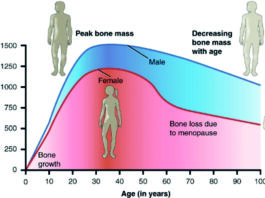
    After age 40, physical activity becomes increasingly crucial for health. In 2018, over 95% of deaths in Portugal were disease-related, with about a third linked to lifestyle factors like inactivity. The WHO highlights exercise as key in preventing heart disease, diabetes, cancer, and in improving mental health. Adults should aim for 150–300 minutes of moderate aerobic activity weekly, while children need at least 60 minutes daily. Incorporating movement into daily life and reducing sedentary time are essential. The Exercise is Medicine® initiative urges doctors to treat physical activity as a vital part of any treatment plan.
    It is within this dynamic context that the Nishi no Michi project was born in Caldas da Rainha. More than just a practitioners’ club, it is a holistic initiative aimed at promoting a healthy lifestyle. Founded on WHO principles, the project focuses on several pillars: proper nutrition, adequate physical activity, mental health, quality sleep, risk prevention, and self-care. Nishi no Michi regularly offers Aikido and self-defense classes led by the French master Michel Martin, a 7th dan black belt, and coordinates the “Balance and Movement” program, which focuses on fall prevention and body awareness. This program operates under the supervision of the Portuguese Institute of Sport and Youth and is part of the National Sports for All Program. Developed by a multidisciplinary team, it hosts regular activities at the Sociedade Columbófila Caldense and the city’s Senior University, maintaining an active presence in municipal health and sports events.
    Through the association Caminhos do Oeste, which it helped establish, the project also collaborates with various professionals in complementary fields such as Taichichuan, Yoga, and Circus Arts. These collaborations are both regular and event-based, reflecting a holistic and inclusive approach. The annual schedule includes participation in events like the Festival of the Lagoon, the South African Market, and the European Week of Sport. In 2025, Nishi no Michi will also join the “Falo Mexer” event, a celebration of health and mobility across all age groups. Nishi no Michi embraces its responsibility towards the public good with offerings in training and education. In partnership with the Portuguese Aikido Federation, it contributes to the “Aikido and Healthy Aging” program and offers workshops focused on health literacy, empowering the public with knowledge to improve well-being.
    Looking ahead, the club is organizing the National Aikido 60+ Gathering on June 21, which will bring together experts for training sessions in strength and mobility (led by calisthenics specialist Alexis Giuntini), senior sports nutrition (by nutritionist Dra. Helena Lopes), and fall prevention (by Miguel Sendim), among other events of broad community interest.
    Ultimately, the success of Caldas da Rainha’s sports policy lies in the diversity of its offerings, the active engagement of its citizens, and a clear vision that sees sport not merely as a recreational activity, but as an ongoing investment in public health. While many municipalities still struggle to foster inclusive sports environments, Caldas da Rainha continues to lead by example—a model city where physical activity is a right available to all, regardless of age, physical condition, or socioeconomic status. With its clubs, sports facilities, regular events, and strong sense of community, the city continues to demonstrate that sports for all is not a distant dream, but a living reality being built every day.

  • Portugal to Notify 18,000 Immigrants to Leave the Country: Government Confirms Shift Toward Stricter Immigration Policy

    Portugal to Notify 18,000 Immigrants to Leave the Country: Government Confirms Shift Toward Stricter Immigration Policy

    The Portuguese government announced that it will begin issuing departure notifications to thousands of immigrants who are residing in the country without legal status. In a statement to the press on beginning of May, Minister of the Presidency António Leitão Amaro confirmed that the Agency for Integration, Migration and Asylum (AIMA) will notify 18,000 individuals to voluntarily leave Portuguese territory, with the first wave of 4,574 notifications scheduled for release this month.
    “These 4,574 individuals are part of a total of 18,000 cases that have already been officially denied residence,” said Leitão Amaro. “In the coming weeks, these notifications will be issued for voluntary departure, as required by law. Rules are to be followed – non-compliance has consequences.” The minister’s remarks confirmed an earlier report published in Jornal de Notícias, sparking widespread attention and concern among immigrant communities and advocacy groups.
    The announcement marks a significant shift in Portugal’s immigration policy, moving from what had been seen as a relatively open and humanitarian approach to one focused on stricter enforcement of legal procedures and residency requirements. Portugal had previously been recognized for its relatively inclusive stance on immigration, particularly during the COVID-19 pandemic, when temporary residency rights were extended to thousands of migrants awaiting documentation. However, the recent change in government and increasing political pressure to control irregular migration have prompted a more hardline stance. The minister emphasized that the individuals affected by the notifications are not recent arrivals but rather people who have been residing in the country under irregular or illegal circumstances, including those who had already received removal orders from other EU countries; were subject to entry bans within the Schengen Area; or had criminal records which legally disqualify them from obtaining residence permits in Portugal.
    The situation remains fluid, with approximately 110,000 pending residency applications still under review by AIMA. Leitão Amaro acknowledged that “most of these cases will likely be approved,” but warned that additional denials are expected, which would result in further notifications for departure. The uncertainty is creating anxiety among immigrants, many of whom have been living and working in Portugal for years, contributing to the economy and integrating into society, but who remain in legal limbo due to bureaucratic backlogs, inconsistent documentation, or changes in residency requirements. Advocacy groups warn that stress and fear of deportation could have serious social consequences, particularly for families with children in school or for those who have established roots in their local communities.
    The announcement has sent shockwaves through Portugal’s immigrant communities, especially those from South Asia, Africa, and Latin America, many of whom arrived under the hope of finding better opportunities in Europe. NGOs and legal aid organizations are preparing for an influx of requests for assistance, both to contest the notices and to support those facing removal.
    There is also concern about the potential rise in undocumented status if people go underground rather than face deportation. The government has said that initial notices will offer a 20-day window for voluntary departure, after which coercive measures may be applied. Leitão Amaro confirmed that the government has asked AIMA, the Internal Security System (SSI), and law enforcement agencies to begin coordinating efforts to ensure that removal orders are actually executed.
    Amid growing debate, civil society groups are calling for a balanced approach that considers both the rule of law and humanitarian values. They argue that Portugal’s long-term interests lie in creating a fair and functional immigration system that integrates those already contributing to society, rather than criminalizing vulnerable populations.
    This latest development has sparked a wider public discussion about the direction of immigration policy in Portugal and how to reconcile legal enforcement with the country’s long-standing values of solidarity, human dignity, and integration. Portugal has historically positioned itself as a nation that upholds democratic principles and human rights, particularly in its treatment of migrants and refugees. The tension now lies in maintaining this tradition while responding to growing concerns over the capacity of institutions to manage migration in a lawful and orderly way. As the government moves forward with a more regulated approach, many observers emphasize the importance of designing policies that are not only effective but also aligned with the inclusive and humanitarian ethos that has shaped Portugal’s reputation on the international stage.

  • Europe’s Quiet Alarm: Why Emergency Kits Matter Now

    Europe’s Quiet Alarm: Why Emergency Kits Matter Now

    Flavia L. Lamattina

    On April 28, many in Portugal felt thrust into a new reality. What began as a temporary, unexpected nationwide power outage quickly turned into a wake-up call. While for some it was merely an inconvenience, for others—completely unprepared—it highlighted just how fragile daily life can become when the systems we rely on suddenly stop working. In conversations I heard that day, a clear picture emerged: families without cash at home, cars with empty tanks, people rushing out in search of non-perishable food, and others completely lost without GPS guiding them. Phones were down, internet connections disappeared, and there was even talk of water supply disruptions if the blackout extended. It only lasted hours—but what if it had lasted days?
    But the warnings had been there. Since February, official European agencies have been urging households to create emergency kits—with essentials like water, canned food, flashlights, radios, and medications. It’s not a message of panic, but of calm readiness. As global instability grows, from climate disasters and cyberattacks to military conflicts—being prepared is becoming less of a personal choice and more of a shared civic responsibility.
    The renewed focus on personal preparedness isn’t coming out of nowhere. Europe is navigating a complex web of challenges that feel more immediate than ever. The ongoing war in Ukraine has reignited fears about regional security, while rising tensions with Russia have underscored the need for civil resilience. At the same time, the continent is facing more frequent and severe climate disasters—record-breaking heatwaves, catastrophic floods, and destructive wildfires are becoming the new normal. Not adding scenarios of cyberattacks targeting energy grids and public services, reminding that a strong society begins with prepared individuals. Across Europe, civil protection agencies are quietly but consistently delivering the same message: be ready to take care of yourself and your family for at least several days in the event of a crisis.
    Here in Portugal, the government is encouraging citizens to be self-sufficient for at least 72 hours. While the tone of these campaigns is calm and non-alarmist, the implication is clear: in an uncertain world, personal preparedness is no longer optional. So, what exactly should go into an emergency kit? The basics are simple but vital. Authorities recommend storing enough drinking water—about two liters per person per day—for at least ten days, along with a supply of non-perishable food that doesn’t require cooking, for both the humans and the pets in the household. A well-stocked first aid kit, flashlights with spare batteries, and a portable radio—ideally hand-crank or battery-powered—are also key. In today’s tech-driven world, power banks or solar chargers can keep communication lines open when the grid goes down.
    Don’t forget personal essentials: prescription medications, hygiene items, important documents, and a local map in case GPS fails. Many preparedness guides also suggest packing copies of IDs or passports, some cash, an emergency blanket, and basic tools like a knife, lighter, or duct tape. With climate-related events on the rise, even dust masks or smoke filters can be worth having on hand. The goal isn’t to create a bunker—it’s to build a buffer that gives you time, clarity, and control when the unexpected happens. Also consider packing lightweight clothing, light jackets, and thermal blankets to handle sudden temperature changes.
    Staying informed is just as important as being equipped. In Lisbon, residents can stay informed through a dedicated Civil Protection alert system. To subscribe, simply send an SMS with the text AVISOSLX to the number 927 944 000 (standard rate SMS, no added cost). This service provides timely updates in the event of emergencies, helping citizens respond quickly and stay safe. But perhaps the most powerful tool is connection. Talk to neighbors, share information, and make plans together—resilience grows stronger when it’s shared.
    Ultimately, preparedness is not panic—it’s peace of mind. It’s about creating a sense of control in an uncertain world, not out of fear, but out of care for yourself and those around you. In a time when global risks feel closer than ever, taking simple steps to get ready is a quiet but meaningful act of calm, confidence, and civic responsibility. And that’s something we can all stand to carry with us. If you want to deepen your knowledge about emergency kits and how to prepare for unexpected situations, the Portuguese Red Cross offers valuable resources: www.cruzvermelha.pt

  • The Rancho Folclórico, a Window onto the Past

    The Rancho Folclórico, a Window onto the Past

    Erik Brunar

    It was nighttime the first time I spotted the “headquarters” of a Rancho Folclórico in Lisbon’s Campo de Ourique neighborhood. A warm glimmer and the smell of sawdust brought back images of dancehalls from before, from long before the modern era. An attendant asked me what I was looking for, not overly friendly. I told him that I didn’t even know what I was looking at, but that maybe it would turn out to be what I’m looking for? He cracked a proud smile and told me about the music, story-telling, and dancing that goes on inside. However, this was a private practice session, and I was not welcome tonight. Filed under: Fascinating.

    At last year’s 25th of April celebrations, the city of Peniche highlighted the work of the Ranchos Folclóricos in the Oeste Region with a whole Sunday of performances and collaborations. That is how I discovered Rancho Folclórico de Geraldes, based in that rural hamlet two towns south of the municipal seat of Peniche.

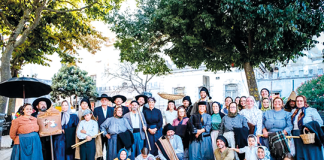
    With some 30 to 40 dancers and musicians of all ages fanning out and positioning themselves for the pieces that are about to unfold, there is a lot of energy at the beginning of a Rancho set. In garb inspired by highly specific working clothes from the last decades of the 19th century, some participants play out stylized but verifiable key moments in the professional lives of the people represented on stage: the town crier, the net makers, the fishermen, the fishmongers, etc. Others parade in the more lavish outfits worn by village worthies or by ordinary people on feast days.

    The choreographies are fairly simple and involve whirling quadrilles and couples passing between rows of dancers to music played on instruments such as the tambourine, the reco-reco, the bagpipes, the guitar, or the accordeon. The engagement of the dancers and the heat of those passes give the proceedings an ecstatic quality that feels modern and timeless at the same time.

    Mariana Gomes on behalf of Rancho de Geraldes kindly answered a few questions via email.

    EB: How do you tell the history of Ranchos in general and of Geraldes in particular?
    MG: The mission of folklore groups is to be ambassadors for the cultural identity and experiences that identify a particular community, effectively what UNESCO defines as “spirit of place”. Many Portuguese folklore groups have coalesced on the end of the 19th century and the beginning of the 20th century as their “window of representation” or the cultural time they reference. At first, most of the Ranchos were purely recreational without much concern for historicity, limiting themselves to dancing and making music. These groups did flourish under Estado Novo with its emphasis on “Portugalidade,” the set of cultural markers and practices that make Portugal unique. Rancho Folclórico de Geraldes began with a group of elementary school pupils whose teacher, with a great love of dance, mobilized the population and founded the Rancho Folclórico in 1984.

    EB: How did the choreographies and the costumes come to be?
    MG: Portraying past times was always a component of the work, but the authenticity of the representation was perhaps not of paramount concern. It was only after 2013, when in-depth work began with the local community and with ethnographic collections, that the accurate representation of customs and traditions became a priority. The costumes are replicas of the clothing most commonly worn in the municipality of Peniche, as well as all the props inherent in the people’s daily lives. Geraldes was the first Rancho in the municipality of Peniche to join the Portuguese Folklore Federation. In recognition of this work, the Municipality of Peniche in 2019 awarded the Rancho the Medal of Merit for Culture.

    EB: What activities does the Rancho engage in?
    Over the years the Rancho has taken part in various ethno-folkloric initiatives, collaborations in institutional and educational settings, from kindergartens to higher education, to pass the knowledge on to the next generation. Throughout the year it takes part in a variety of events: New Year’s janeiras, gatherings of traditional songs and instruments, Christmas concerts, etc. It has performed in Spain and in Belgium. The group is also busy collecting pieces and recording oral history. So its activity goes far beyond performing at festivals.

    EB: What are the demographics of the Rancho?
    MG: Nowadays, folklore is facing major challenges. Funding for culture keeps getting cut. In our globalized society, many lose interest in defending regional particularities. However, there is also a movement that treasures those who preserve local history. Proof of this is that Rancho Folclórico de Geraldes is a recognized group with members from all over the place.

    Keep an eye out for Ranchos performing near you for an evocative journey into the past of the region’s people!

    OICV is looking for writers for this feature! If you would like to contribute, contact us at OICV.email@gmail.com. ■

  • Farmers’ Market: a Rural Housing Boom in the Making?

    Farmers’ Market: a Rural Housing Boom in the Making?

    Flavia L. Lamattina

    The construction of affordable housing in Portugal may get a boost from a new land law from 2024. As part of the “Building Portugal” program, legislators amended the Legal Regime of Territorial Management Instruments (RJIGT) to make it easier to open farmland for residential development, subject to reserving 70% of the square footage for affordable housing. While experts in the real estate sector view this as a positive step toward addressing the housing crisis, they warn that this measure alone is unlikely to stimulate housing construction without additional financial incentives, particularly a reduction in the VAT on new construction from 23% to 6%. There is also a risk of creating isolated urban areas. Experts argue that the new law will only increase the supply of affordable housing if it is accompanied by coordination with local governments, streamlined processes, and fiscal incentives to attract developers and real estate investors.

    While experts generally view the initiative positively, they point to several challenges and limitations that could hinder its effectiveness. Converting rural land to urban use could take years. Approval of the required local-zoning variances will still run through the municipal authorities, a process that can be slow and bureaucratic in the best of times. The conversion amendment requires those local decision-makers to take into account several highly technical national frameworks regulating impacts on things like the environment, transportation networks, even national security. The cost of land remains unaddressed. If prices are not regulated, they might shoot up in the ensuing land rush, which could discourage developers from investing in affordable housing projects. Another risk is the creation of isolated urban areas—new neighborhoods disconnected from existing urban centers and lacking essential amenities and businesses. These areas may struggle to attract residents.

    Given the lack of financial incentives, the expectation is that developers who might be interested in building on reclassified land are likely to be local players with a deep understanding of the market and municipal regulations. Family offices are expected to show the most interest, as they have the expertise needed to navigate local regulations and approval processes. Large international investors may be less inclined to engage due to the complexity of the reclassification process.

    The impact of the new land law will likely be most significant in the metropolitan areas of Lisbon and Porto, where demand for housing is highest, and property prices have surged in recent years. In these areas, building upwards is often not an option due to entrenched zoning restrictions, making peripheral development more attractive. Developers could benefit from rising demand and higher sale or rental prices, improving the profitability of projects.

    Even where cheaper rural land is available, developers will need to carefully assess the total costs involved, including land acquisition, infrastructure development, construction expenses, and bureaucratic fees. Because the land being reclassified is not yet urbanized, developers will need to install essential infrastructure such as roads, water, electricity, and sewage systems, which all add significant costs. Under the proposed law, developers must complete infrastructure and housing construction within five years of reclassification. Otherwise, the land may revert to its original rural classification.

    The law’s potential to lower housing prices is promising but uncertain. Minister of Territorial Cohesion Castro Almeida believes that increasing the supply of buildable land will eventually reduce housing prices. However, the process could take years, and the law’s success will depend on how effectively local governments, developers, and policymakers work together. Even though the government has set a five-year deadline for completion, the actual construction of new housing will depend on the responsiveness of the construction sector and potential changes to zoning and building regulations.

    Another measure of the success of the law will be how the 70% mandate on below-market housing plays out. Prices for these homes will be capped at the national or local median price. However, in high-cost areas like Lisbon and Cascais, the cap could be as high as 2¼ times the national median. Developers can sell the remaining 30% at market rates to cover costs and secure profitability.

    Will the economics of the real world allow the ultimate goal of the rural-land conversion law to be fulfilled, i.e. to break the housing-cost fever that is keeping so many working Portuguese families back from owning a home, or even moving out of their parents’ house? It looks like we will have to wait a few years for the beginnings of an answer.

  • Starting a Business in Portugal: Initial Guide for Foreign Entrepreneurs

    Portugal has become an attractive destination for foreign entrepreneurs thanks to its business-friendly environment and growing economy. For some, its strategic location serves as an open door for import-export between Europe and other regions. However, starting a business in Portugal as a foreigner involves navigating a series of legal and administrative steps. Expert guidance from a local lawyer or accountant can help you avoid costly mistakes and ensure your business is set up for long-term success.

    A business advisor can provide valuable insights into the local market, helping you understand customer behavior, business regulations, and market trends. In Caldas da Rainha, there are two initiatives that can help: Centro Incubador de Caldas da Rainha for young entrepreneurs, AIRO – the entrepreneurial association located at ExpoOeste – and Caldas Empreende, which supports new initiatives for self-employment. ACCRO is another association that offers a range of services, including training for startups and legal representation for its members. Legal and advisory fees vary depending on the complexity of the business setup but typically range from €1,000 to €3,000.

    Your business will need a name. You have to check it is available at the National Registry of Collective Entities (RNPC). After securing your name, you can register your business at an Empresa na Hora location or online at ePortugal if you have a Chave Móvel Digital. Following registration, you need to open a business bank account to handle financial transactions. Then you have to register with the Segurança Social (state pension) and the Autoridade Tributária e Aduaneira (taxes). Depending on your business structure, you may need to draft and notarize legal documents such as articles of association and shareholder agreements.

    Selecting the appropriate business structure is one of the most important decisions when starting a business in Portugal, as it will impact your tax obligations, liability, and operational flexibility. Entrepreneurs have several options to choose from, depending on the size and nature of their business. A Sole Proprietorship (Empresário em Nome Individual) is the simplest structure, where one person owns and operates the business but assumes full personal liability for debts. A Single-Member Limited Company (Sociedade Unipessoal por Quotas) allows a single owner to limit liability to the amount of capital invested, with a minimum capital requirement of just €1. A Private Limited Company (Sociedade por Quotas – LDA) is suited for two or more shareholders, offering limited liability with a minimum capital requirement of €1 per shareholder. A Public Limited Company (Sociedade Anónima) is ideal for larger businesses, requiring a minimum of five shareholders and €50,000 in capital. A Branch Office (Sucursal) allows a foreign company to open a branch in Portugal, enabling it to operate locally while the parent company retains full liability for debts. Each business structure has distinct advantages and regulatory requirements. Consulting with a local business advisor or accountant can help you choose the most suitable option for your business goals and minimize future complications.

    Businesses in the hospitality and food sector, such as bars, restaurants, and hotels, must pass health and safety inspections before opening. Companies involved in retail and commerce often need permits from municipalities, while businesses in construction and real estate require local licensing and are subject to building inspections. Businesses doing import/export have to register with the customs arm of the Autoridade Tributária e Aduaneira. Compliance with health and safety regulations under the Autoridade para as Condições do Trabalho (ACT) is essential. This may include workplace safety inspections and employee health coverage. Failure to comply can result in fines ranging from €500 to €5,000, depending on the severity of the violation. Certain restricted goods, such as alcohol, tobacco, and pharmaceuticals, require special permits before they can be sold or distributed.

    Starting a business in Portugal requires careful planning and attention to legal details. Securing the appropriate business visa and work permit is crucial to ensure you can legally operate in the country. Once that’s in place, you’ll need to register your business and obtain any necessary licenses to comply with local regulations. Protecting your business name and intellectual property through INPI (National Institute of Industrial Property) will safeguard your brand and assets. Finally, working with a local lawyer or business advisor can simplify the entire process, helping you navigate the legal and administrative landscape with confidence.

    OICV is looking for writers for this feature! If you would like to contribute, contact us at OICV.email@gmail.com.

  • Carnaval is Here–Carnaval is Eternal

    Carnaval is Here–Carnaval is Eternal

    Artigo da Oeste International Community Volunteers

    In the northern hemisphere, the hundred days stretching from the first of December to early March are the darkest and coldest of the year. The winter solstice, with its promise of longer days ahead, marks an important moment of communion with our Sun. Echoing the Yuletide of pre-Christian times, our festivities between Christmas and New Year’s reflect our joy at this great annual pivot. But the darkest, coldest days are only one-third over by the time the last Réveillon hangovers have faded. In pre-modern Northern and Central Europe, the months without crops and dwindling reserves ground down the spirit and opened the door to madness. It was widely held that evil winter spirits had to be driven out so that fertility could return to Earth. Given fertility’s association to the 28-day cycles of the moon and the menses, the Ancients often practiced these rituals on pivotal nights in the lunar calendar.
    The Celts who settled western Iberia two-and-a-half millennia ago burned large puppets representing these maleficent forces. This folk practice was folded into Portuguese variants of the Christian mid-winter feast in the 13th Century. In some Portuguese towns, in the weeks leading up to Carnaval, effigies of the opposing forces are still thrown into the flames, but this time as part of a ritualized reenactment of the battle of the sexes known as the nights of the Comadres and the Compadres, a series of pranks and displays meant to reinforce loyalty to one’s own gender.
    With the Visigoth kings in the 5th century, a fervent brand of Christianity came to the peninsula. In a solemn reminder of Jesus’ 40 days in the desert, the Church set aside the 40 days before Easter for the Sacrifice of Lent. These weeks of fasting and spiritual cleansing conveniently coincided with the time of year when supplies were at their lowest. Since Easter is defined as the first Sunday after the first full Moon following the spring equinox, this apex celebration of the Christian calendar also indirectly ties Carnaval back to the old lunar rites.
    In the Middle Ages, the gentry would prepare for Lent by distributing the last remnants of preserved meat and animal fat to the peasants working their lands. The last day before the fast therefore became known as Fat Tuesday. The most plausible origin of the word Carnaval is the Latin word for meat, as in the Late Latin phrase “Carne Vale!”, or “Farewell, Meat!” In the 16th century, groups of roving young men started to take the days before Lent as an excuse to drink excessively and pull outrageous pranks.
    Contemporary Carnaval culture in Portugal owes a lot to its largest, most multiracial former colony, Brazil. Under Italian influence, by the 1830s, Brazilians had created the modern parade structure and the costumed street party. In the late 1800s, Brazilian Carnaval revelers were already marching to the Afro-Caribbean beats which still provide the backdrop of Portuguese Carnaval today in the form of samba and axé music.
    Aspiring to appropriate the trappings of ancient Roman glory, the Salazarist dictatorship sought to emphasize a martial tone in Carnaval proceedings with marching bands and majorettes. However, in the streets, Carnaval remained one of the few avenues for social critique and political satire, echoing the Roman concept of Saturnalia, a time of year when hierarchies were overturned and outrageousness reigned.
    Torres Vedras is known as the Carnaval city par excellence. The cortege of allegorical floats, outrageous Matrafonas (men in drag), and Cabeçudos (giant heads) represent the quintessence of the modern Portuguese Carnaval. It was not until the 1920s that the pre-Lenten festivities evolved from bals and recitals organized by local clubs into a unified street fair sponsored by the city’s leading commercial interests. In the 1930s, the municipality made a concerted effort to promote its Carnaval at the national level. Since then, hundreds of thousands of people have been converging in Torres to join the party on the four days before Lent. You can dance in the cortege if you buy a wristband (€8 for one day, €16 for all four).
    Caldas da Rainha’s celebrations exemplify the “for us, by us” spirit of the typical small-town Carnaval. Neighborhood groups and associations will dust off their themed or satirical costumes and march in three parades down Avenida 1° de Maio on March 1st (21:00), 2nd and 3rd (both 15:00). Bals will be held at the Céu de Vidro in Parque D. Carlos I on March 1st and 3rd (23:00-4:00). Proceeds from the modest entrance fee will be donated to charity.
    Would you be interested in contributing stories to the OICV page in Gazeta das Caldas? We are looking for writers! If you would like to participate, please contact us at OICV.email@gmail.com. ■

  • 24 Horas saudáveis

    24 Horas saudáveis

    Vítor Ilharco
    Personal Trainer

    No que diz respeito à atividade física, as pessoas não se dividem apenas entre quem pratica ou não exercício físico, como ir ao ginásio ou frequentar aulas de pilates. É essencial considerar o que fazemos ao longo das 24 horas do dia. Como já foi abordado em artigos anteriores, uma pessoa pode ser ativa (cumprindo, semanalmente, 150 minutos de atividade física de intensidade moderada) e, ao mesmo tempo, ser sedentária (passando grande parte do dia sentada ou deitada).
    Neste sentido, a Sociedade Canadiana de Fisiologia do Exercício (SCFE) foi pioneira na criação de diretrizes que integram diferentes níveis de atividade física, comportamento sedentário e sono. Como existem recomendações distintas para várias faixas etárias e populações especiais, irei focar-me apenas nas orientações para adultos saudáveis.

    SWEAT – TRANSPIRAR
    Relativamente à atividade física estruturada, que denominamos exercício físico, já sabemos que praticar pelo menos 150 minutos de atividade aeróbia de intensidade moderada por semana e realizar exercícios de reforço muscular pelo menos dois dias por semana reduz significativamente o risco de várias doenças e de mortalidade prematura.

    STEP – ANDAR
    A SCFE integrou, de forma inovadora, recomendações para a atividade física de intensidade ligeira. Aqui incluem-se todos os movimentos que realizamos ao longo do dia com uma intensidade superior à de repouso. A mensagem-chave é fazer escolhas mais conscientes: trocar deslocações de carro por bicicleta ou caminhada, optar pelas escadas em vez do elevador e preferir estar de pé em vez de sentado são pequenas mudanças que, a longo prazo, contribuem para uma melhor saúde.

    SLEEP – DORMIR
    Um adulto deve dormir entre 7 e 9 horas por noite, garantindo um sono de qualidade. Idealmente, os horários de deitar e acordar devem ser consistentes ao longo da semana.

    SIT – COMPORTAMENTO SEDENTÁRIO
    O tempo em comportamento sedentário (todo o período em que se está acordado, mas sentado, deitado ou reclinado) deve ser limitado a um máximo de 8 horas diárias. Além disso, recomenda-se não ultrapassar 3 horas de ecrã recreativo e fazer pausas regulares para interromper esse comportamento, levantando-se e caminhando sempre que possível.
    Todas estas recomendações promovem:
    um menor risco de mortalidade, doenças cardiovasculares, hipertensão, diabetes tipo 2, vários tipos de cancro, ansiedade, depressão, demência, aumento de peso e perfil lipídico desfavorável, melhorias na saúde óssea, cognição, qualidade de vida e função física.
    Razões mais do que suficientes para começar a tomar decisões mais conscientes.
    Por isso, já sabe: mexa-se mais, reduza o comportamento sedentário e durma melhor! ■

  • Moving to Portugal: A Journey of New Beginnings

    Moving to Portugal: A Journey of New Beginnings

    Mark Neethling

    Relocating to a new country is a significant life decision that can be both exhilarating and daunting. For many, the choice to move stems from a desire to embrace a new lifestyle, often driven by reasons such as wanting to be closer to family, particularly children and grandchildren. This article explores my partner’s and my journey to Portugal, highlighting the importance of a positive motive, research, community integration, and the joy of realizing that we are once again “at home”.
    Motivation is a powerful force. A positive motive such as living closer to loved ones can provide a solid foundation for your transition. This fosters a sense of purpose and excitement, making the challenges of relocation more manageable. In contrast, moving due to a difficult environment or personal struggles can lead to feelings of anxiety and doubt. While it is understandable to seek refuge from negative circumstances, focusing on the positive aspects can help cultivate a more optimistic outlook.
    With adult daughters in the UK and USA, we realized that commuting regularly from the southern tip of Africa to visit was going to be costly and tiring. Although our lifestyle in Johannesburg, South Africa was good – toxic politics, high crime, and deteriorating infrastructure notwithstanding – we decided to look at alternatives. We drew up a set of qualifying criteria and started compiling a shortlist. To our surprise, Portugal emerged far above the other contenders. A peaceful life, affordability, good infrastructure, friendly people, and magnificent landscapes were a winning combination, outweighing the language challenge.
    We went on a scouting trip to Portugal to confirm the outcome of our research. And then, on our return to South Africa, COVID happened! We used the seclusion of the COVID lockdowns to further prepare for our move. Selling our house, getting rid of appliances and furniture, arranging veterinary certificates and travel for our cat and our two Havanese dogs, and completing a myriad of other tasks gave our isolation a productive buzz. A detailed project plan emerged, with timelines and dependencies. As COVID restrictions started easing around the world we took the plunge and applied for our visas.
    Portugal offers many visa options. Understanding the requirements, documentation, and timelines involved helped us make a smooth landing. Online forums and government websites can provide valuable insights here. Many expatriates share their stories on social media, offering tips on navigating the visa application process, finding housing, and settling into the local culture.
    Upon our arrival in Portugal, one of the most effective ways to ease the transition was to connect with like-minded immigrants. We made a conscious effort to attend coffee groups and participated in Community Day Centre lunches with the OICV. These connections have provided practical advice, emotional support, and a sense of belonging in an unfamiliar environment.
    While building connections with fellow immigrants was essential, integrating with the local Portuguese community was also important. One of the most effective ways to do this was by learning the language. We found Portuguese classes very helpful. Learning Portuguese not only enhances our daily interactions but also demonstrates respect for the local people. Engaging in conversations, whether at the market, café, or community events significantly enriched our experience.
    Dealing with bureaucracy in a new country is challenging. Approaching it with a friendly and humble attitude is critical. Whether applying for residency, setting up a bank account, or registering for healthcare, patience and politeness go a long way. We consciously built rapport with local officials, which led to smoother interactions and a positive experience. Embrace the local way of doing things, while maintaining a friendly demeanor.
    There came a moment a year in when we realized that we were starting to feel at home. This joyous feeling arose from a combination of factors: the friendships we had built, our growing language skills, and our familiarity with the local culture. The delight of discovering our favorite café, participating in festas, or simply lunching with friends has created a profound sense of belonging. As we settle, we have found that the bumps along the way only deepened our appreciation for our new home.
    Moving to Portugal has been a journey filled with opportunities for growth, connection, and joy. By focusing on the positives, conducting thorough research, building a supportive community, integrating with the local culture, and approaching challenges with a friendly attitude, we have created a fulfilling life in Portugal. ■

  • Farmácias podem aliviar pressão dos Centros de Saúde

    Farmácias podem aliviar pressão dos Centros de Saúde

    Tanto os médicos como os farmacêuticos inquiridos concordaram que a colaboração entre ambos é uma mais-valia para a gestão dos utentes

    Quase três em cada quatro médicos de Medicina Geral e Familiar inquiridos num estudo sobre o papel das farmácias consideram que estas podem ajudar a aliviar a pressão sobre os cuidados de saúde primários, destacou a agência Lusa esta semana.
    O estudo “O papel da Farmácia Comunitária na Jornada do Doente”, da autoria da IQVIA Portugal por iniciativa da empresa de genéricos portuguesa Tecnigen, envolveu respostas de mais de 100 médicos de Medicina Geral e Familiar, 175 farmacêuticos e mais de 250 utentes. As conclusões foram apresentadas a 25 de janeiro, em Peniche, na edição anual do Pharma Call e referem que a maioria dos médicos de família (64%) diz que a melhoria na adesão à terapêutica é uma das principais vantagens da integração da farmácia nos cuidados de saúde primários. Já a maioria dos farmacêuticos (82%) aponta para monitorização da adesão à terapêutica como a principal vantagem. Tanto os médicos de MFG como os farmacêuticos inquiridos defendem que a colaboração entre médicos e farmacêuticos “é uma mais-valia para a gestão dos utentes”.
    Num outro trabalho, que inquiriu cerca de 250 utentes, a maioria (81%) disse concordar que SNS será mais eficiente se as farmácias comunitárias assumirem um papel mais ativo. A quase totalidade (99%) dos utentes inquiridos disse concordar que, com um papel mais ativo por parte das farmácias, o SNS poderá ficar menos sobrecarregado, gastando menos e conseguindo, desta forma, financiar os serviços prestados na farmácia.
    A prevenção e educação para a saúde, a intervenção farmacêutica em situações ligeiras e a referenciação de doentes para o médico ou outros serviços de saúde foram os contributos mais significativos das farmácias apontados tanto por médicos de MGF como por farmacêuticos.
    O estudo está disponível para consulta online, por exemplo, no sítio da Ordem dos Farmacêuticos. ■

  • Latitudes regressa a Óbidos em fevereiro

    Latitudes regressa a Óbidos em fevereiro

    Edição contará com a presença de Rio de Janeiro – Capital Mundial do Livro 2025, a primeira cidade lusófona a receber o título da UNESCO

    O Festival Latitudes – Literatura e Viajantes está de volta a Óbidos, entre os dias 13 e 16 de fevereiro, com lançamento de livros, exposições, oficinas e experiências literárias para os mais novos, workshops, música e conversas em torno da língua, literatura e viagens.
    Com curadoria do escritor José Luís Peixoto, a edição deste ano contará com a presença da Capital Mundial do Livro 2025 (Rio de Janeiro), a primeira cidade lusófona a receber o título da UNESCO, representada por Isabel Werneck, secretária executiva do projeto. Entre os autores já confirmados estão Dulce Maria Cardoso, Anabela Mota Ribeiro, José Riço Direitinho, Joana Bértholo e David Machado.
    Numa iniciativa do Turismo de Portugal e Escola de Hotelaria e Turismo do Oeste, o Latitudes será palco da apresentação do Clube Literário Visit Portugal, pontuada por um cocktail literário. No campo musical, estão previstos os concertos “Candlelight Especial Latitudes”, um evento original Fever com produção Cartola de Artistas, a decorrer na Igreja da Misericórdia, e “Do Outro Lado do Espelho”, com a União Filarmónica de A-da-Gorda”, no Auditório Municipal Casa da Música.
    Esta edição contará ainda com a iniciativa “Viagem pela minha terra”, um passeio para (re) descobrir o território, as suas heranças, tradições e memórias, com o apoio e envolvimento da comunidade.
    Durante o festival será inaugurada a exposição ”Rede das Cidades Criativas da UNESCO do Centro de Portugal” e apresentada a Rota Literatura em Viagem, com apontamento musical de António Casal, no Museu Abílio de Mattos e Silva. A Casa José Saramago – Biblioteca Municipal de Óbidos preparou o “Encontro às Cegas com um Livro” e à entrada da vila haverá uma feira do livro.
    Também as escolas do concelho irão contar com a presença dos escritores David Machado, José Luís Peixoto e Judite Canha Fernandes.
    Para o curador do festival, José Luís Peixoto, “toda a literatura é viagem”. “Ao longo de séculos, o ser humano tem avançado por geografias e ideias para se descobrir a si próprio. A edição de 2025 do Festival Latitudes pretende ser um contributo para esse caminho infinito”, refere José Luís Peixoto, acrescentando que com as “suas livrarias, escolas, galerias, museus e biblioteca, há Latitudes para descobrir em Óbidos”. Já a vereadora da cultura, Margarida Reis, destaca que este festival “reforça a identidade cultural de Óbidos enquanto Vila Literária, assim como a capacidade transformadora da palavra”. ■

  • Spotlight on Immigration: is Portugal ready for something new?

    Spotlight on Immigration: is Portugal ready for something new?

    Randy Trevis

    Amid gains by the anti-immigrant far right and imperfect reforms in immigration enforcement, Portugal is aswirl with myths about the diverse group of 800 thousand immigrants currently residing here. Breaking those misconceptions requires a closer look at the realities behind this complex and often misunderstood subject.
    One of the most prevalent concerns is the fear that immigrants are taking jobs from Portuguese citizens. This is not unique to Portugal, as similar anxieties arise in other countries experiencing significant immigration. However, the evidence tells a different story. Immigration, rather than diminishing opportunities for locals, in fact contributes to job creation and economic growth. At a very basic level, the sectors of construction, home goods, retail, and transport get an obvious boost from the presence of extra people. But the whole economy feels the lift. Immigrants often fill gaps in the workforce by taking jobs in sectors where there is a shortage of skilled or willing workers. Official statistics show that 13% of employees are immigrants, and their contributions span multiple industries. Additionally, the 2011 census showed that 20% of immigrants create employment opportunities for others by starting businesses. Only 17% of Portuguese citizens do the same. Far from being a drain on employment, immigrants are vital to the nation’s economic dynamism.
    Another widespread myth is that immigrants do not integrate into Portuguese society. This stereotype overlooks the significant efforts many immigrants make to adapt and contribute to their new communities. Many immigrants learn the Portuguese language, build friendships with local residents, and participate actively in social and cultural events. Of the 350,000 foreigners who successfully applied for Portuguese citizenship between 2008 and 2022, 66% expressed “a strong sense of belonging.”
    Portugal is still one of Europe’s most immigrant-friendly countries, but for many foreigners the struggle is real. Statistics portal Pordata reports that 31% of the immigrants here live in poverty or in financial precarity versus 20% of Portuguese citizens. Immigration may pose challenges for low- or even medium-wage workers by causing rents and certain other prices to rise, but successive governments have enacted pretty good stabilizing policies. The overall picture reveals a society enriched by diversity and strengthened by the contributions of its immigrant population.
    Immigrants pay income, payroll, and value-added taxes that help sustain essential public services, such as healthcare and pensions, which are under pressure due to Portugal’s aging population. As Portugal faces demographic and economic challenges, immigrants provide a much-needed boost by injecting vitality and resources into the system. There certainly are undocumented immigrants and foreigners working in the informal economy. However, a substantial majority of documented immigrants are actively employed in the formal sector, where they pay the same taxes as Portuguese citizens.
    Despite the clear benefits immigration brings, public attitudes toward immigrants can still be influenced by unfounded fears and stereotypes. Challenging these myths is crucial not only for fostering inclusivity but also for enabling evidence-based policymaking. When misconceptions about immigration dominate the narrative, they can lead to harmful policies and social tensions. By promoting accurate information and encouraging open dialogue, Portugal can build a more welcoming and harmonious society.
    The future of Portugal as a thriving, interconnected nation depends on its ability to embrace immigration as a strength rather than a burden. As the world becomes increasingly globalized, the exchange of people, ideas, and cultures is inevitable and necessary. Immigrants bring energy, resilience, and creativity to the communities they join, and their contributions should be celebrated rather than feared. Overcoming myths about immigration is not just about correcting inaccuracies; it is about building a shared understanding of the values and opportunities that define Portugal. With open minds and a commitment to inclusion, Portugal can continue to be a beacon of tolerance and progress.
    The challenges that come with immigration can be met with thoughtful policies and cooperation, while the benefits are boundless. Immigrants are not just newcomers; they are neighbors, colleagues, and friends who contribute to the rich tapestry of Portuguese life. By appreciating the shared humanity and diversity they bring, Portugal can chart a brighter future for all. ■

    Would you like to contribute stories to the OICV page in the Gazeta das Caldas? We are looking for writers! Drop us a line at OICV.email@gmail.com.


  • Autarcas preocupados com assoreamento na Lagoa de Óbidos

    Autarcas preocupados com assoreamento na Lagoa de Óbidos

    Normativos da União Europeia impedem financiamentos comunitários para novas dragagens num período inferior a 10 anos

    Os problemas de assoreamento da Lagoa preocupam os autarcas das Caldas e de Óbidos. O presidente da Câmara de Óbidos, Filipe Daniel, reuniu com o presidente da Agência Portuguesa do Ambiente (APA), José Pimenta Machado, a 22 de janeiro e, entre as questões em cima da mesa, esteve a necessidade dragagens para retirar sedimentos do interior da lagoa, tanto na zona superior como perto da Poça da Ferraria e do Arinho. Mas as notícias não foram animadoras. De acordo com a APA, normativos da União Europeia impedem financiamentos comunitários para novas dragagens ou remoção de sedimentos (em intervenções de grande dimensão) num período inferior a 10 anos. Ou seja, tendo em conta que as últimas dragagens tiveram lugar em 2022, apenas haverá financiamento para uma intervenção em 2032. “Não vamos esperar esse tempo”, disse Filipe Daniel, que vai reunir com o presidente da Câmara das Caldas a 6 de fevereiro para, além de lhe passar essa informação, reiterar “o nosso envolvimento numa tentativa de solução”.
    Também Vítor Marques reconhece que o assoreamento é uma “preocupação grande, pois tem tendência a agudizar”, sobretudo na zona de ligação da Lagoa ao mar e também na do antigo cais. Por outro lado, considera que a crescente diminuição de água doce que chega à lagoa também é prejudicial, pois vem alterando as suas características. O autarca caldense diz que é urgente a reunião da comissão de acompanhamento e que já foram feitos contactos com o ministério do Ambiente e a APA a solicitar reuniões, pelas quais continuam a aguardar.

    Novas cabanas para os pescadores
    A Câmara de Óbidos tem um projeto para a construção de novas cabanas para pescadores e mariscadores, em conjunto com a Associação de Pescadores e Mariscadores da Lagoa de Óbidos (APMALO). Tratam-se de perto de 20 novas estruturas, construídas com materiais sustentáveis, na zona da Ponta Branca (Braço do Bom Sucesso), com o objetivo de dar melhores condições a estes profissionais, nomeadamente disponibilizando casas de banho e locais onde possam mudar a roupa e deixar os seus objetos.
    O projeto está a ser trabalhado por um arquiteto e a própria associação e a autarquia vai agora tentar arranjar financiamento público para a sua concretização, mas Filipe Daniel garante que vão “fazer acontecer”.
    Na reunião que teve com a APA, o autarca de Óbidos abordou ainda a questão das algas que existem no interior da Lagoa e que, em alguns casos, prejudicam o trabalho dos pescadores e mariscadores limitando a apanha dos bivalves. Solicitou que fosse aberta a zona próxima da Barrosa, “onde existe marisco de grande qualidade que está a deixar de ser apanhado e valorizado”. Os próprios pescadores e mariscadores já o tinham pedido, na reunião que tiveram com a APA na semana anterior, tendo este organismo ficado de avaliar o assunto.
    O autarca solicitou ainda a instalação de casas de banho na Praia d’el Rey, a poderem funcionar já na próxima época balnear, bem como a autorização para melhorar as duas pontes que permitem a passagem entre concelhos, junto à Lagoa.
    De acordo com Filipe Daniel, a autarquia está também disposta a receber, depois de requalificadas, as ecopistas situadas na freguesia do Vau e que estão sob tutela da APA. O autarca abordou ainda a possibilidade de apoio, no âmbito do Fundo Ambiental, para a concretização de medidas mitigadoras do avanço da erosão e da quebra das arribas. ■

  • Região prepara, e já comemora, o carnaval

    Região prepara, e já comemora, o carnaval

    Na Nazaré já se festeja o carnaval e nas outras localidades ultimam-se os preparativos

    Este ano o carnaval assinala-se a 4 de março, mas as comemorações já começaram em algumas localidades da região. Entre as mais folionas estão a Nazaré, cujo mote da edição deste ano, “Tá injoade c’má pardela”, e os reis, foram anunciados pela organização já em outubro de 2024. No início do ano começaram a sair às ruas as primeiras manifestações do carnaval à moda da praia, com bailes de apresentação dos reis à população e bailes de rua. A festa, organizada pela autarquia, coletividades e privados, destaca-se pela capacidade de mobilizar a comunidade, preservando tradições e reafirmando a identidade local. No próximo dia 1 de fevereiro será inaugurada a exposição de carnaval e feita a passagem de testemunho dos reis e, dois dias depois, realiza-se a tradicional festa de São Brás. A partir do final do mês começam os desfiles organizados, que incluem o das escolas, a saída noturna, as festas dos grupos, de sábado e de domingo, bem como o enterro do Santo Entrudo, na quarta-feira de cinzas. Conhecido como o “mais português de Portugal”, o carnaval de Torres Vedras regressa às ruas da cidade entre os dias 28 de fevereiro a 5 de março, com a temática “50 Anos, 25 de abril”. Corsos, bailes, concursos de mascarados e muita animação estão prometidas para os seis dias de festa, numa organização da Câmara, empresa municipal Promotorres e Real Confraria do Carnaval de Torres.
    Nas Caldas da Rainha o carnaval será celebrado entre 1 e5 de março com desfiles na Avenida 1º de Maio, bailes do Casino e o enterro do Entrudo. Também nas Gaeiras (Óbidos) haverá folia com o “Carnaval Cubano”, a decorrer entre 28 de fevereiro e 5 de março, com corso infantil, trapalhão, matiné e enterro do Entrudo. ■

  • Basquetebol: Equipa de Sub16 feminina dos Pimpões é campeã invicta

    Basquetebol: Equipa de Sub16 feminina dos Pimpões é campeã invicta

    Caldenses vão disputar o acesso ao Campeonato Nacional

    O basquetebol dos Pimpões está em alta com a conquista de dois títulos distritais e apuramentos importantes para competições nacionais.
    A equipa Sub16 Feminina, liderada por Miguel Sousa, sagrou-se campeã distrital pelo segundo ano consecutivo, após uma vitória impressionante frente ao N.D.A. Pombal, por 98-18, na final disputada no Pavilhão da Escola Secundária Rafael Bordalo Pinheiro. Com um registo perfeito de 11 vitórias em 11 jogos, 1509 pontos marcados e apenas 121 sofridos, as jovens atletas garantiram o direito de disputar o acesso ao Campeonato Nacional, com o primeiro jogo agendado para o dia 1 de fevereiro, às 15h, no Pavilhão Rainha D. Leonor, frente ao Imortal de Albufeira.
    Já a equipa Sub18 Feminina, também orientada por Miguel Sousa, conquistou o título distrital ao vencer o N.D.A. Pombal por 43-34 na final. Tal como as Sub16, as Sub18 terminaram a prova invictas, com 10 vitórias, 810 pontos marcados e 286 sofridos, assegurando a presença na Taça Nacional.
    Nos Sub18 Masculinos, sob a liderança de Manuel Santos, os Pimpões garantiram igualmente a qualificação para a Taça Nacional. Apesar de terem sido derrotados na final pela equipa de Pombal, os jovens mostraram um excelente desempenho ao longo da competição, somando 8 vitórias em 10 jogos.
    No escalão de Sub14 feminino, outra equipa caldense, o Sp. Caldas, disputou a final contra o NDA Pombal, tendo ficado com o segundo lugar. ■

  • Diabetes Tipo 2: A prevenção está ao seu alcance

    Diabetes Tipo 2: A prevenção está ao seu alcance

    Ultimamente, tem-se verificado em Portugal um aumento significativo do consumo de Ozempic, um medicamento utilizado no tratamento da diabetes tipo 2. Esta procura excessiva tem sido feita por pessoas que não sofrem da doença para a qual o medicamento é destinado, mas sim por quem pretende uma solução fácil para resolver o excesso de peso. Este acontecimento tem dificultado o acesso dos diabéticos a um medicamento essencial para a sua qualidade de vida.
    Em 2021, estimava-se que havia 529 milhões de pessoas em todo o mundo com diabetes, sendo esta responsável por 6,7 milhões de mortes. Em Portugal, a prevalência é de 13% na população adulta. Entre os casos de diabetes no mundo, 90 a 95% são do tipo 2, a qual é mais prevalente em adultos. No entanto, tem-se verificado um aumento da incidência em crianças e adolescentes.
    A diabetes tipo 2 é uma doença metabólica crónica caracterizada por níveis elevados de glicose (açúcar) no sangue devido a uma combinação de dois fatores principais:
    Resistência à insulina: As células do corpo tornam-se menos sensíveis à insulina, uma hormona produzida pelo pâncreas que ajuda a glicose a entrar nas células para ser usada como energia.
    Produção insuficiente de insulina: O pâncreas não consegue produzir insulina suficiente para compensar essa resistência.
    É uma doença grave, sendo uma das principais causas de morbilidade e mortalidade. Por exemplo, é a principal causa de insuficiência renal, amputações de membros inferiores e cegueira em adultos.
    Alguns dos fatores de risco da diabetes tipo 2 podem ser controláveis, como os erros alimentares, a inatividade física e o sedentarismo, bem como o excesso de peso ou obesidade. Ter um peso acima do saudável ou uma pressão arterial elevada são mesmo dois dos indicadores de risco de progressão da doença.
    Para a prevenção e tratamento da doença, a Organização Mundial da Saúde indica três pilares essenciais: melhor diagnóstico, recolha de dados frequente (em que é essencial a automonitorização por parte do doente) e ambientes saudáveis.
    Atualmente, sabe-se que indivíduos fisicamente ativos têm menor incidência de diabetes tipo 2. A maior redução do risco de diabetes tipo 2 acontece com um volume semanal de atividade física moderada a vigorosa entre 150 a 300 minutos. Quanto maior for o tempo em comportamento sedentário, mais elevado será o risco.
    A prática regular de atividade física é uma poderosa aliada na prevenção desta doença. Com esforço consistente e escolhas conscientes, é possível reduzir significativamente o risco e garantir uma vida mais longa e saudável. Nunca é tarde para começar: pequenos passos hoje podem prevenir grandes problemas no futuro.

  • Protecting Your Health in Portugal’s Cold Season: What Immigrants Need to Know

    Protecting Your Health in Portugal’s Cold Season: What Immigrants Need to Know

    Dr. Aqsa Munir
    Physical Therapist

    For immigrants from warmer regions such as South America and South Asia, the cold and humid climate during Portugal’s winter often presents significant challenges. People unaccustomed to such meteorological conditions risk not knowing how to prepare for them properly, leading to an increased risk of infections and other health-related issues. This can impact families, work, and overall well-being. Adopting preventive measures can be difficult for those without easy access to public healthcare, insurance, or medication. Cultural differences may make it harder to follow local health protocols, which are key to the whole community understanding the risks and taking the steps essential for maintaining health and well-being in the colder months.
    Respiratory diseases, including the common cold, influenza, and pneumonia, are notably more prevalent during winter. According to the European Centre for Disease Prevention and Control, the flu season typically peaks between December and March, with up to 15% of the population infected annually. Additionally, the coastal regions of Portugal often experience high humidity levels during winter, which can trigger asthma. The World Health Organization reports that dampness increases the risk of respiratory problems by 30-50%. Immigrants who are not accustomed to colder climates are particularly vulnerable, especially when they don’t have proper heating and ventilation in their homes. Mold, as well as the use of fireplaces or wood-burning stoves, can increase the risk of pulmonary diseases.
    To mitigate these risks, it is important to take practical steps. Ensure that clothes are properly dried, the body is kept warm, and masks are worn when in crowded spaces. Dehumidifiers are another effective solution to reduce indoor moisture and maintain a healthier environment. Flu vaccines are available at most local pharmacies and health centers in Portugal and should be considered a key part of the preventive strategy, particularly for older adults, children, and those with pre-existing conditions. The vaccine can significantly reduce the risk of severe illness and hospitalization.
    However, respiratory issues are not the only health concern during the winter months. The combination of cold outdoor air and indoor heating can also cause skin problems, such as dryness and eczema. Fortunately, these issues can usually be controlled with regular moisturizing and hydration. It is important to maintain skin health by using creams and lotions to prevent excessive dryness, which can lead to more severe conditions if left untreated.
    Additionally, there has been a noticeable increase in norovirus cases this winter, causing highly contagious infections with symptoms like severe diarrhea, vomiting, and abdominal cramps, especially among children in schools and daycares. Good hygiene practices, such as frequent handwashing and disinfecting surfaces, are essential to curb the spread of the virus. Keeping the hands clean and avoiding shared utensils can reduce the likelihood of infection, especially in high-risk environments like schools or public transportation. To reduce potential exposure further, stay away from crowded indoor spaces unless absolutely necessary.
    Winter can also exacerbate the symptoms of individuals with pre-existing joint problems, such as arthritis. The cold weather often leads to joint stiffness and discomfort. To manage these issues, it is recommended to wear thermal clothing, stay active through indoor exercises, and ensure adequate warmth for the joints. Using heating pads and performing gentle exercises can help alleviate discomfort caused by the cold.
    Another winter-related concern is the lack of sunlight, which can lead to seasonal affective disorder (SAD), a form of depression typically triggered by shorter daylight hours. SAD can cause symptoms such as fatigue, loss of interest in daily activities, and mood changes. Simple measures like spending time outdoors during daylight, even if it is cloudy, and using light therapy lamps can help improve mood and energy levels. Engaging in light indoor exercises or maintaining social connections can also help reduce feelings of isolation and sadness.
    Fortunately, the Portuguese healthcare system provides assistance 24/7, offering support in both emergency and non-emergency situations. To contact the healthcare service in Portugal, you can use the following resources: For acute illness: Call SNS 24 at 808 24 24 24 or the National Emergency Number: 112. For non-emergency health concerns: Call SNS 24 at 808 24 24 24 for triage, advice, and referrals. As a final note, I recommend that everyone seek help using the healthcare services and follow their doctor’s recommendations. ■

  • Building Bridges Across Cultures in Portugal – looking back on 2024

    Building Bridges Across Cultures in Portugal – looking back on 2024

    Oeste International Community Volunteers (OICV) is a dynamic organization dedicated to supporting the integration of individuals from diverse nationalities into the Portuguese community. By fostering collaboration with local governments, organizations, and community groups, OICV works tirelessly to bridge cultural gaps, address challenges, and promote mutual understanding. As the year draws to a close, we take this opportunity to reflect on our journey, celebrating the milestones achieved and the relationships built. We are especially proud of our collaboration with Gazeta das Caldas, a platform for bringing together various communities and highlighting the vibrant, multicultural fabric of Portuguese society.
    The integration process is often complex, with immigrants from everywhere facing significant barriers such as language difficulties and social isolation. Additionally, misconceptions about the impact of immigrants on housing, healthcare, and social infrastructure often dominate public discourse. OICV aims to challenge these stereotypes by highlighting the positive contributions of the international community and creating spaces for mutual engagement.
    Through a range of initiatives, OICV seeks to position the international community as an integral part of Portuguese society. It organizes social events, cultural exchanges, and fundraising efforts that not only foster camaraderie but also provide direct support to vulnerable groups. One notable project is the The International Cuisine Lunch Project, which involves OICV’s members as “chef for a day” preparing meals for elderly day-care centers, creating shared experiences and breaking down social barriers. Throughout the years, OICV prepared over 20 International Cuisine lunches for senior day centers and contributed 1,300 euros to a program fund for 13 centers. OICV also participated in the Soup Festival, a key fundraising event exemplifying this effort and bringing together locals and international participants over shared meals. In the words of OICV’s president, Joseph Poon: “it’s less about donations than about putting ourselves out there, for the community we want to build.”
    Education and youth development are central to OICV’s mission. The organization led three seminars this year at local schools, including Rafael Bordallo Pinheiro, Raul Proença and Escola Tecnica Empresarial do Oeste, encouraging more than 300 students to explore work and study opportunities abroad. Additionally, OICV has pledged to award four scholarships that will be delivered in 2025 to academically gifted but financially disadvantaged students from the region, covering tuition and essential study materials. This scholarship program was in partnership with the Busy Bees.
    For the Local Community, OICV provides practical resources such as free Portuguese and English language lessons, especially tailored for specific groups like the Ukrainian Community. This year we also offered several workshops on taxation, health systems, and legal frameworks in Portugal, helping immigrants navigate local systems with confidence. We raised funds for food banks in our region and supported initiatives such as The Soup Kitchen. OICV also created an event called Soul Night, which raised 1,100 euros for Refood, an organization that focuses on reducing food waste and combating hunger.
    OICV’s outreach extends beyond social support. The organization partners to support local businesses and groups, working with local organizations such as AIRO (Associação Empresarial da Região Oeste), to foster professional exchanges and promote economic integration. This year we ran two seminars on business strategy and entrepreneurship that facilitated dialogue and networking between local and international entrepreneurs, encouraging mutual growth and understanding. On both occasions our members hosted lunch for more than 50 local business representatives.
    Cultural engagement remains at the heart of OICV’s work. We are participating in local events such as medieval fairs to collect funds. We contributed 24 articles to this very newspaper. The organization actively seeks opportunities to weave the international community into the fabric of Portuguese culture. Plans for a radio broadcast further illustrate its innovative approach to fostering dialogue and understanding. OICV also has been collaborating with the local government, offering support to newcomers through CLAIM (Centro Local de Apoio à Integração de Migrantes).
    As it looks to the future, OICV continues to amplify its impact. From scholarships and free language classes to groundbreaking initiatives like the Mobile Kitchen, its vision is clear: to create a more inclusive, integrated, and supportive community. By embracing diversity and nurturing collaboration, OICV is helping to transform challenges into opportunities, building bridges that strengthen both the international and local communities in Portugal. ■


  • State-Backed Lending to Expand in 2025: Young People Await Opportunity to Buy Their First Home

    State-Backed Lending to Expand in 2025: Young People Await Opportunity to Buy Their First Home

    Flavia L. Lamattina

    Portugal is facing an increasingly evident housing crisis, challenging a generation of young people striving to achieve the dream of homeownership. A limited supply of properties for sale has caused prices to soar, especially in the urban areas that attract so many young adults. Low wage levels and a lack of incentives do little to offset the high mortgage rates on offer in the Eurozone. Bureaucratic and regulatory barriers blunt the ambitions of the paperwork-averse, while down-payments of 10 to 30% and high taxes and fees at closing exacerbate the struggle in an environment of low savings rates and economic and market instability.
    In response to this critical situation, the government has launched an ambitious plan to revitalize the real-estate market by offering tax incentives and financing options targeted at young people aged 18 to 35. These measures, which promise to save thousands of euros for those starting their lives, are expected to be a game changer in the obstacle course that is acquiring a first home.
    Since August 1, 2024, young people have enjoyed exemptions from the IMT (Municipal Property Transfer Tax) and Stamp Duty. Now, in a more ambitious proposal, the government aims to guarantee the possibility of financing up to 100% of a first home purchase, benefiting young people with an annual income of up to approximately 80,000 euros. Beneficiaries must be tax residents in Portugal and not be outright or partial owners of any other property. The credit must be used for the purchase of the applicants’ first permanent home, and they must have no debts to the Tax Authority or Social Security, according to Decree No. 236-A/2024/1.
    The government support promises to be substantial: 15% of the transaction value will be guaranteed through the Directorate-General of the Treasury and Finance (DGTF). This vital incentive will allow banks to finance the full value of the property. However, with property sales of up to 450,000 euros qualifying for this program, questions about its ultimate effectiveness are inevitable. Many people in the targeted age bracket make around 1,000 euros a month. It is not easy to get a loan at that income level in a real estate market where prices are constantly rising. Banks will continue to assess potential borrowers’ financial capacity in compliance with the rules on the so-called effort rate, which is generally capped at 35%. In other words, someone earning 1,000 euros per month will be limited to a monthly mortgage payment of no more than 350 euros.
    With this new measure, in effect since late September but to be fully implemented in January 2025, the market for homes between 150,000 and 300,000 euros is expected to heat up. Increased demand for properties in a market with limited supply in this segment could have the unintended effect of further driving up real-estate prices in Portugal. So this could end up favoring those who are already better off financially rather than those who truly need government support.
    In addition to the increased demand and the current limited supply, we must consider the economic instability caused by the two recent economic crises and the impact of the pandemic, which led many people to deplete their financial reserves. Given all these factors, it is crucial to expand the discussion of potential ways out of the housing crisis in Portugal. One example would be extending this program to workers up to 45 years old, widening the pool of beneficiaries to meet the new demands of Portuguese society.
    The study “Young People in Portugal: A Portrait Based on the Census,” published by the National Institute of Statistics, reveals a drastic decline from 2011 to 2021 in the proportion of the Portuguese population aged between 15 and 24, which fell by 17.5%, while the number of young foreigners settling in Portugal increased by 23.4%, creating pressure on urban markets, particularly in Lisbon and Porto. The same study also points to a drop in the proportion of economically active young Portuguese, from 66.3% in 2011 to 58.1% in 2021.
    Thus, the next steps of the housing plan not only need to be swiftly implemented but also adapted to ensure that a larger number of younger adults can truly achieve the dream of homeownership, without always relying on financial support from their parents. Therefore, the hope of transforming the country’s housing reality remains alive, but the challenges to overcome are many. ■


Visão Geral da Política de Privacidade

Este website utiliza cookies para que possamos proporcionar ao utilizador a melhor experiência possível. As informações dos cookies são armazenadas no seu browser e desempenham funções como reconhecê-lo quando regressa ao nosso website e ajudar a nossa equipa a compreender quais as secções do website que considera mais interessantes e úteis.